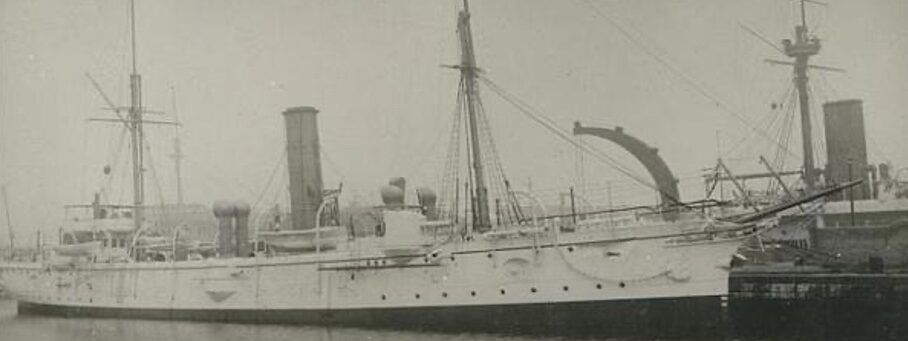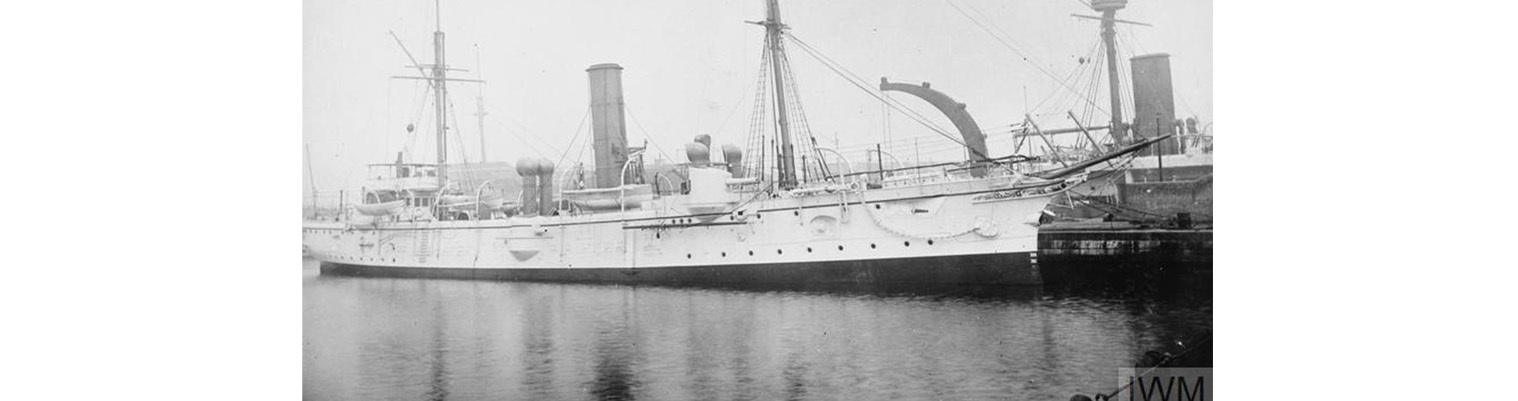
HMS Cossack - launched 3 June 1886
HMS COSSACK (THIRD of the NAME)
The third vessel to bear the name HMS Cossack was reclassified as a Third-Class Cruiser shortly after completion, having proved too slow for front-line fleet duties and regarded as an indifferent sea boat. She was one of six cruisers constructed by J. & G. Thomson of Clydebank, Glasgow.
KEY DATES:
-
3 June 1886 – Launched by J. & G. Thomson (Yard No. 230)
-
1 January 1889 – Commissioned into Royal Navy service
-
1905 – Sold to G. Graham
GENERAL CHARACTERISTICS
HMS Cossack was a twin-screw, six-gun cruiser launched on 4 June 1886. She had a displacement of 1,770 tons (1,950 tons at full load). Her principal dimensions were recorded as:
-
Length: 240 ft (alternatively recorded as 225 ft)
-
Beam: 36 ft
-
Draught: 16 ft (alternatively 14.5 ft)
PROPULSION
-
Machinery: Twin shafts driven by compound, horizontal, direct-acting engines
-
Boilers: Four steel boilers with iron tubes
-
Indicated Horsepower: 3,500 IHP (2,500 HP under forced draught)
-
Speed: 16.5 knots
-
Propellers: Three-bladed Griffiths type, manufactured by J. & G. Thomson
-
Coal Capacity: 369 tons
ARMAMENT
-
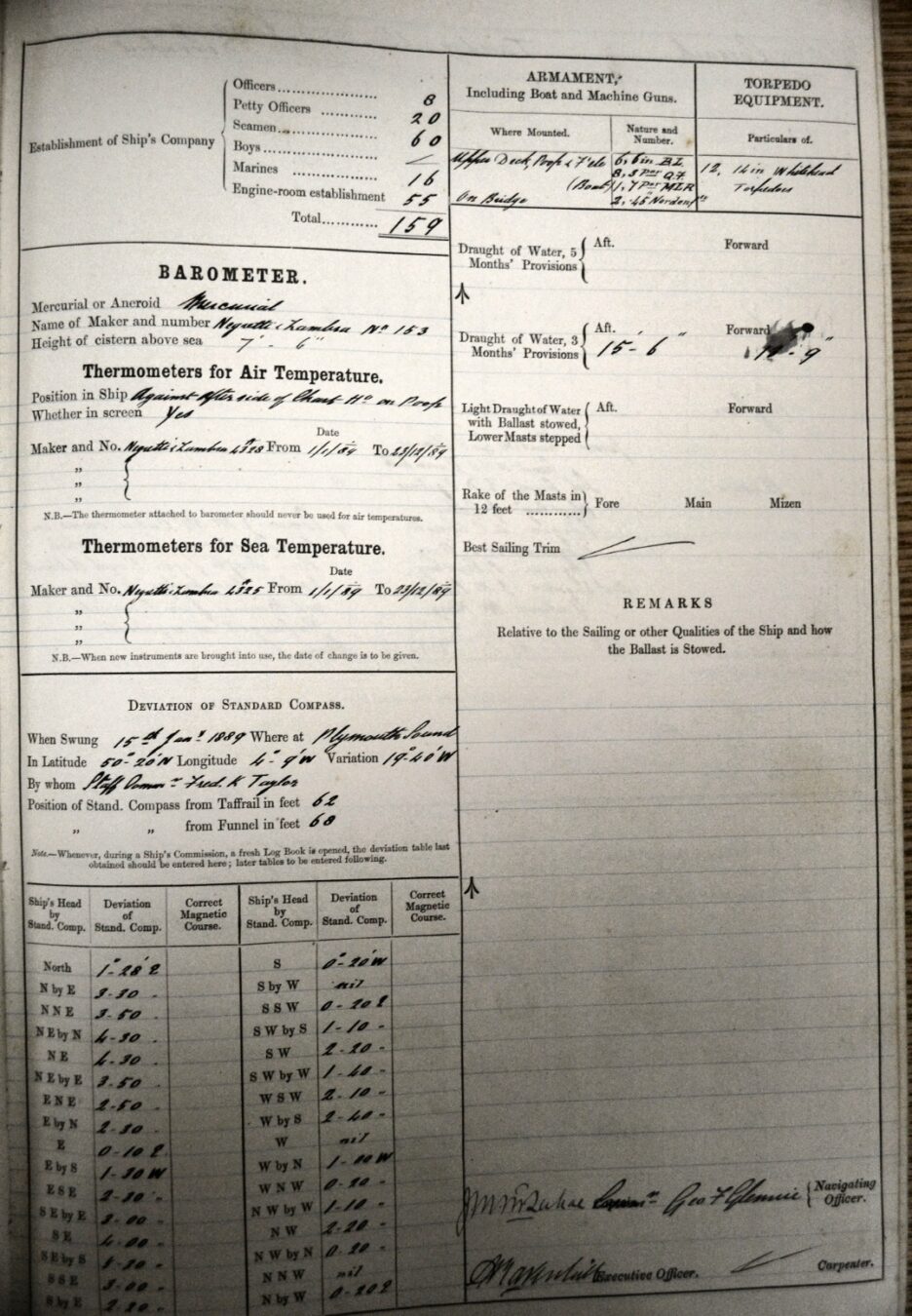
6 × 6-inch BLR guns
-
8 × 3-pounder quick-firing guns
-
3 × 14-inch twin turrets
-
12 × 14-inch Whitehead torpedoes (above-water launch)
-
1 × 1.7-pounder MLR fitted to a ship’s boat
Armour protection was fitted on the upper deck, forecastle, and bridge.
EQUIPMENT
A mercurial barometer (Negatti & Lambra No. 153), previously carried aboard the second Cossack and returned to the Board of Trade in 1860 as damaged, is recorded as being in service again aboard the third Cossack in 1889.
CREW COMPLEMENT
159–176 officers and men
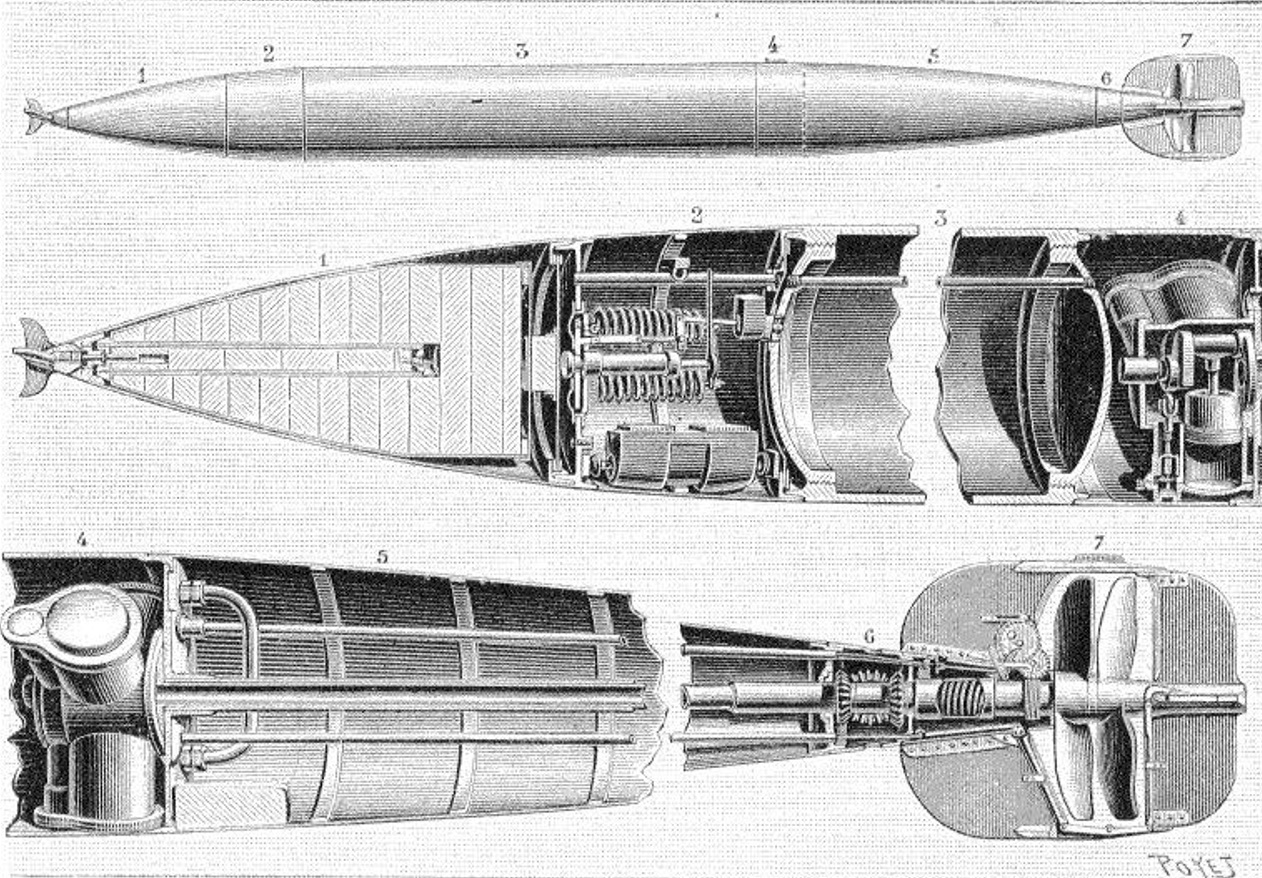
WHITEHEAD TORPEDO
The Whitehead torpedo—pioneered by Robert Whitehead in 1866 from a concept originated by Giovanni Luppis of the Austro-Hungarian Navy—was the first successful self-propelled torpedo. Specifications for the 14-inch variant carried by HMS Cossack include:
-
Length: 3.56 m
-
Diameter: 45 cm
-
Effective Range: 732 m
-
Design Year: 1866
-
Origin: Austria-Hungary
-
Designer: Robert Whitehead