About
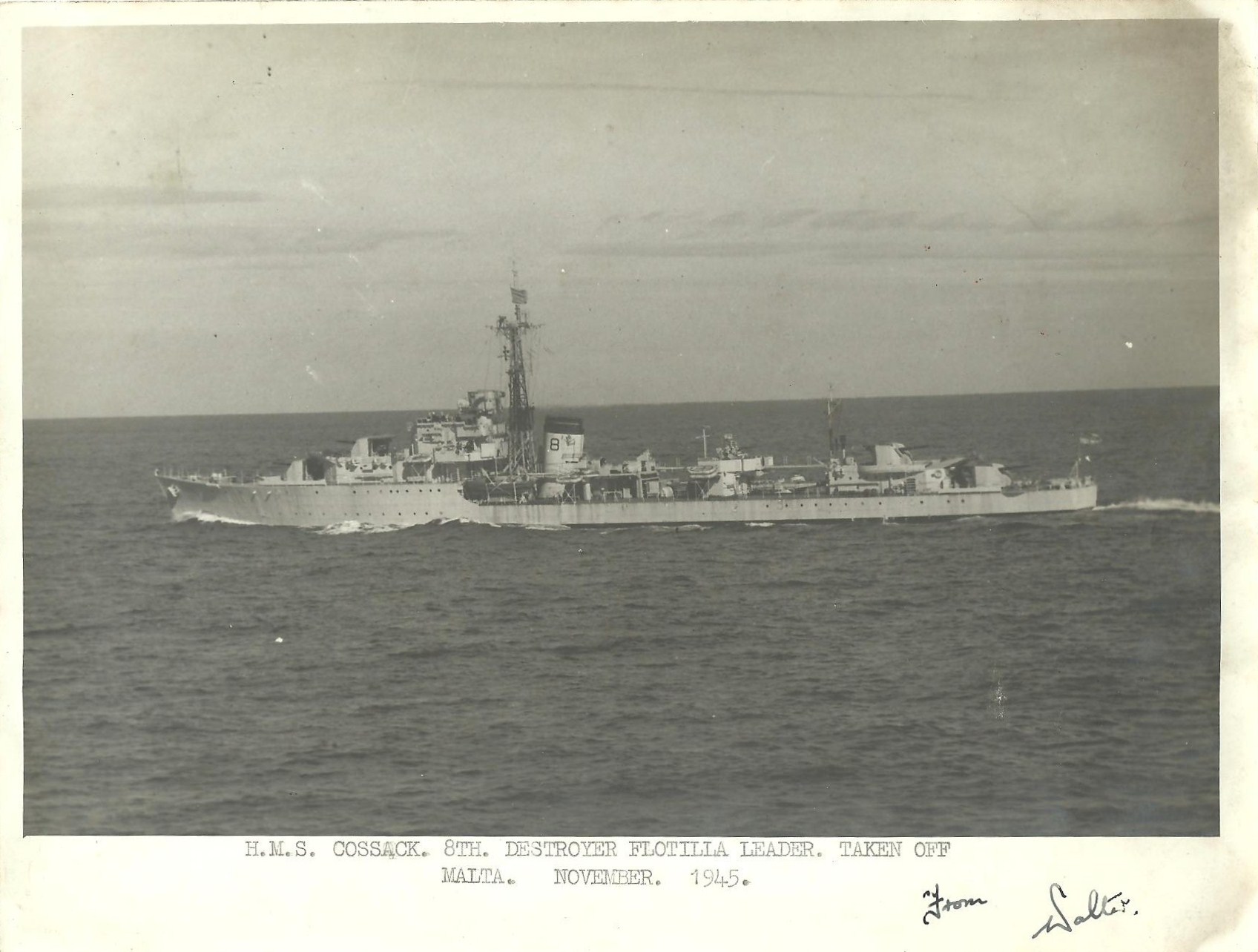
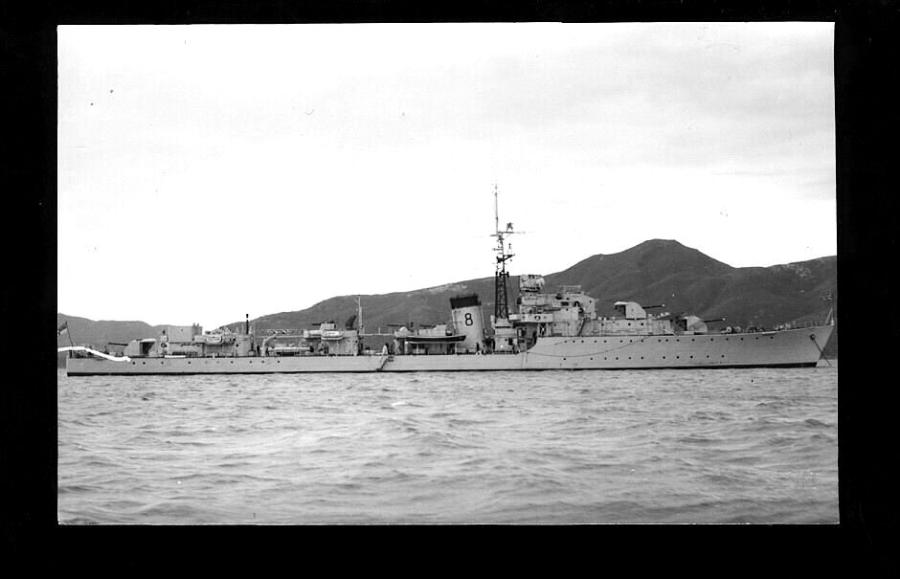
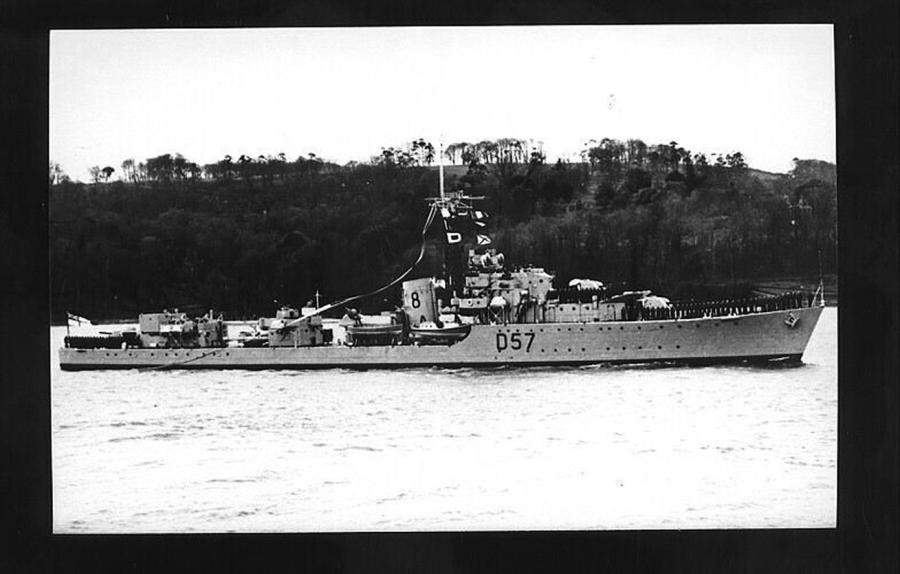
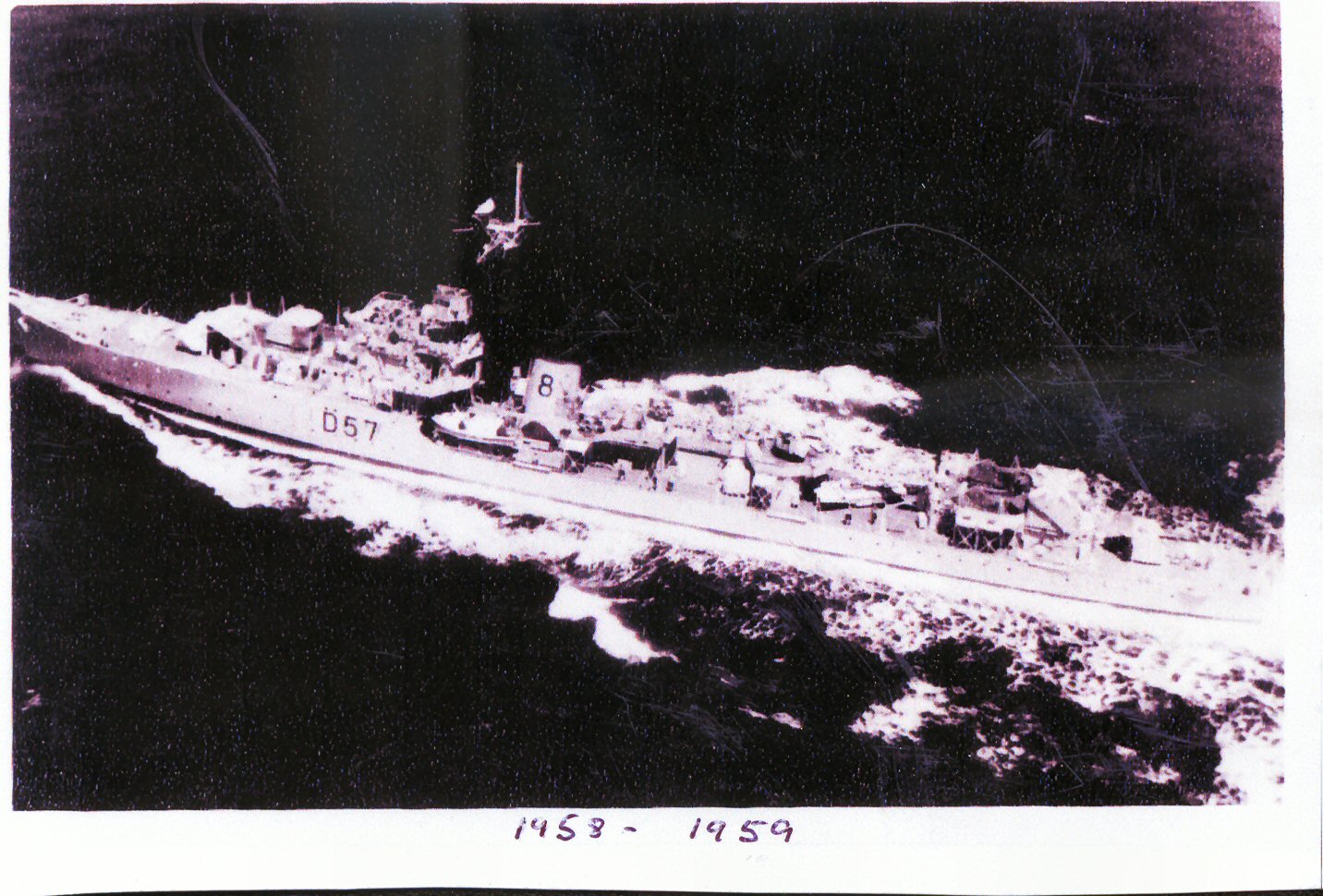
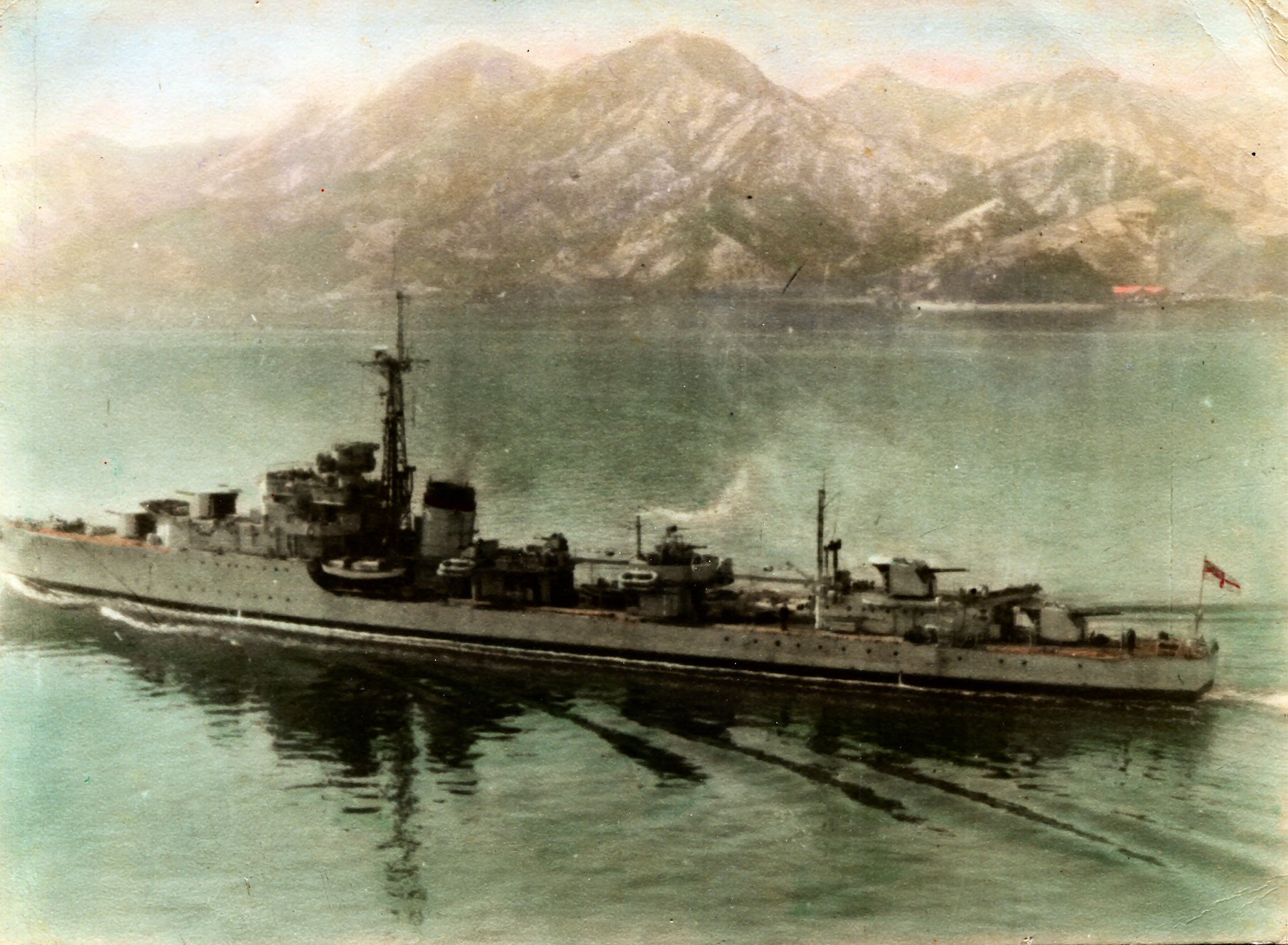
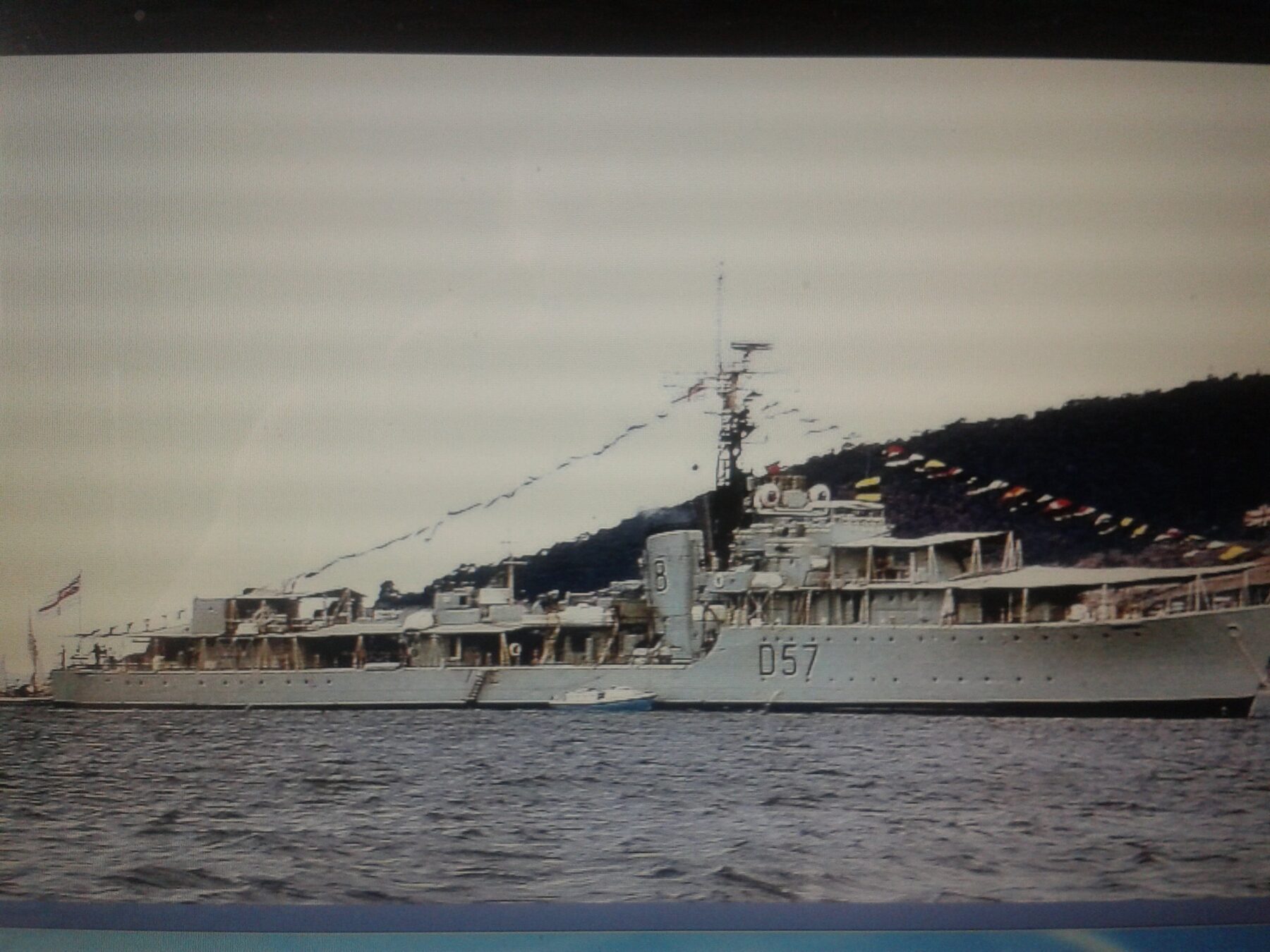
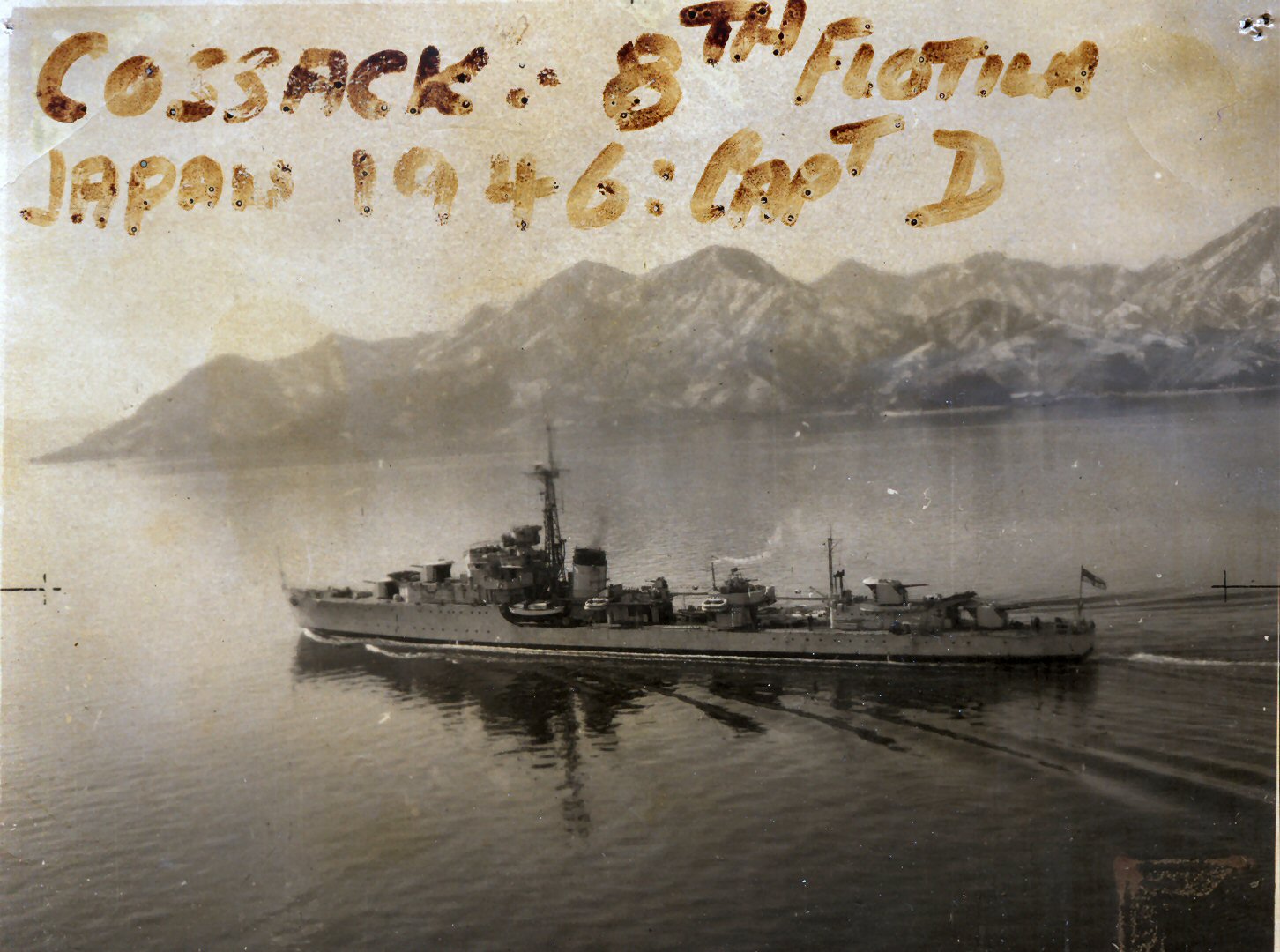
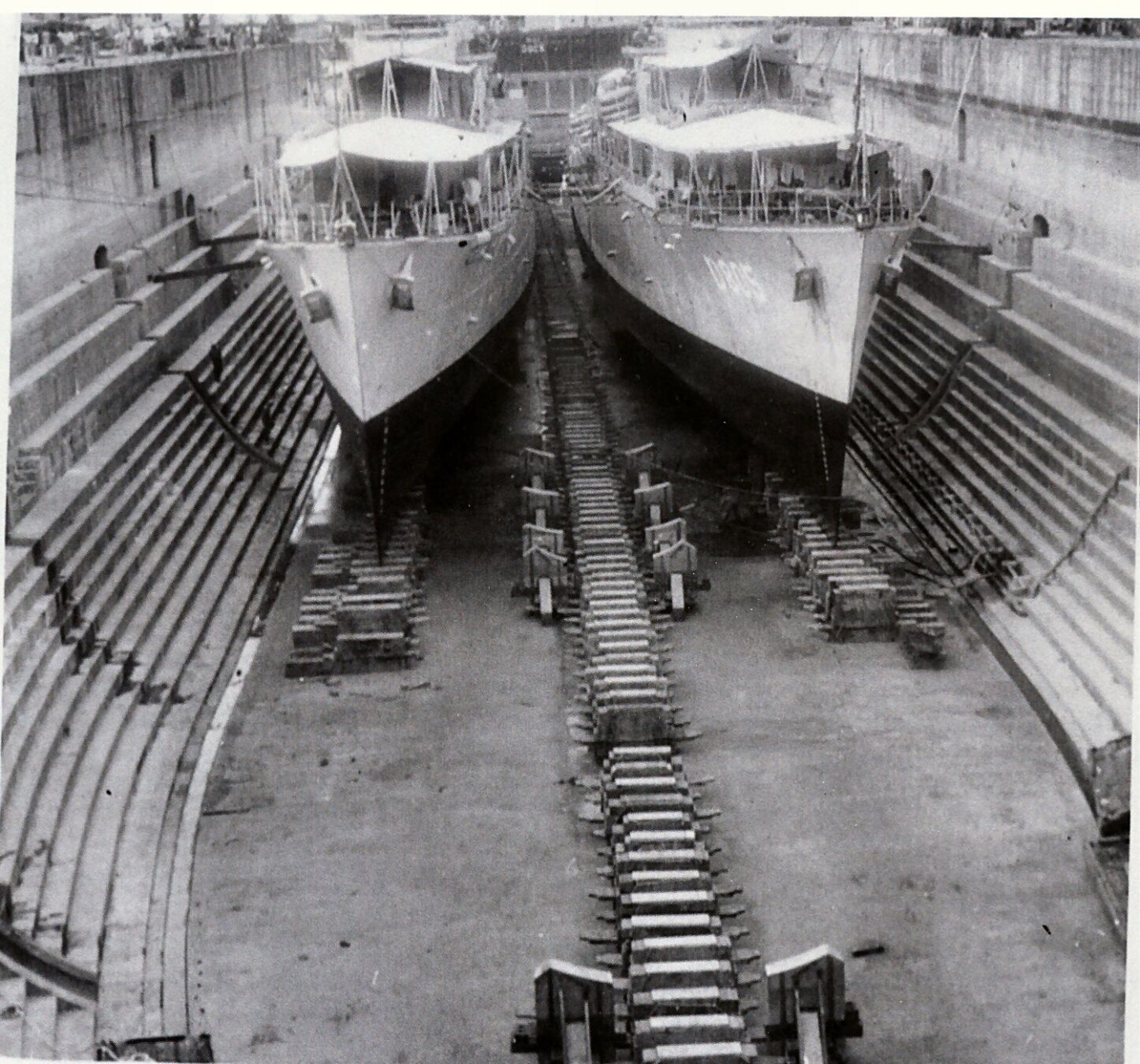
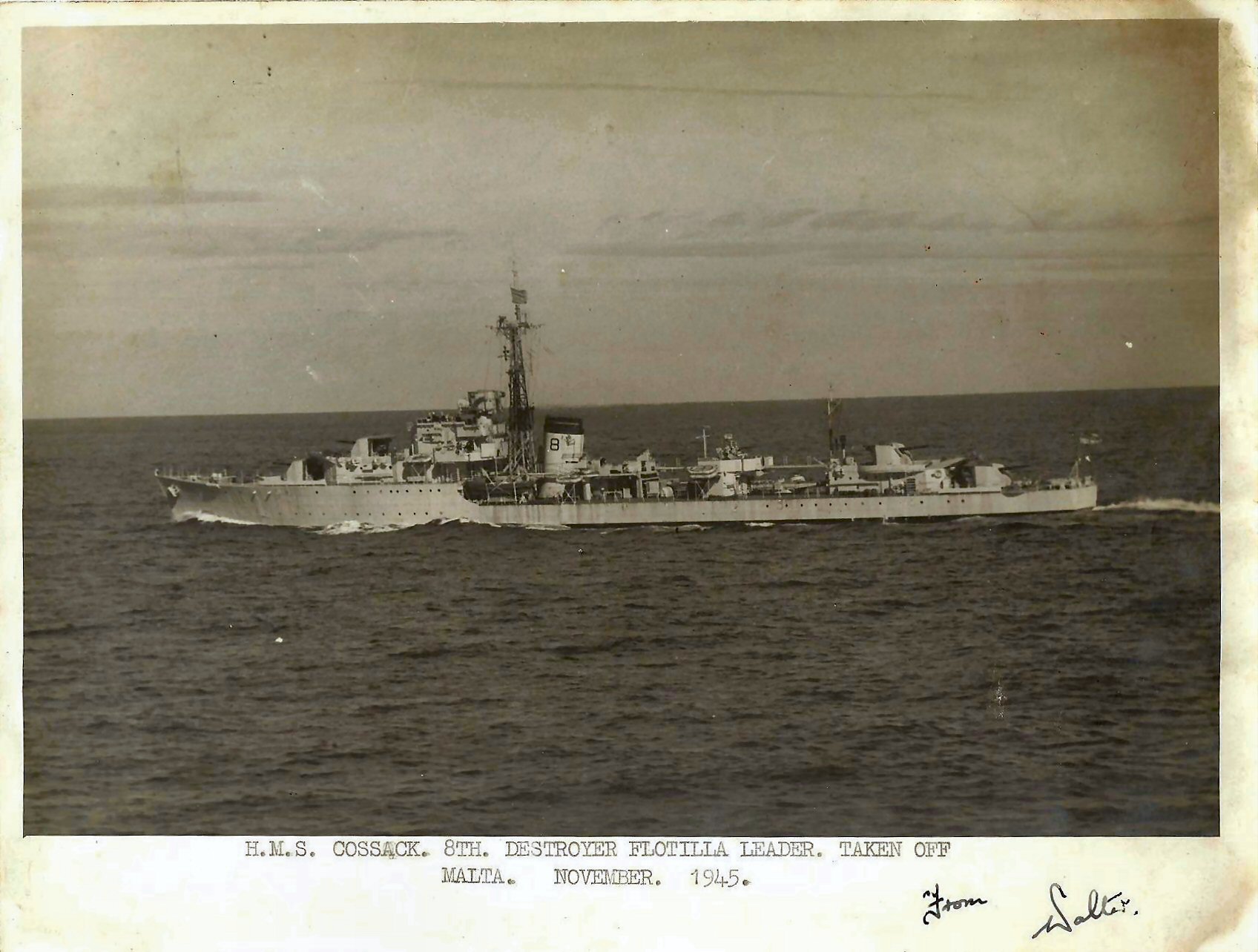
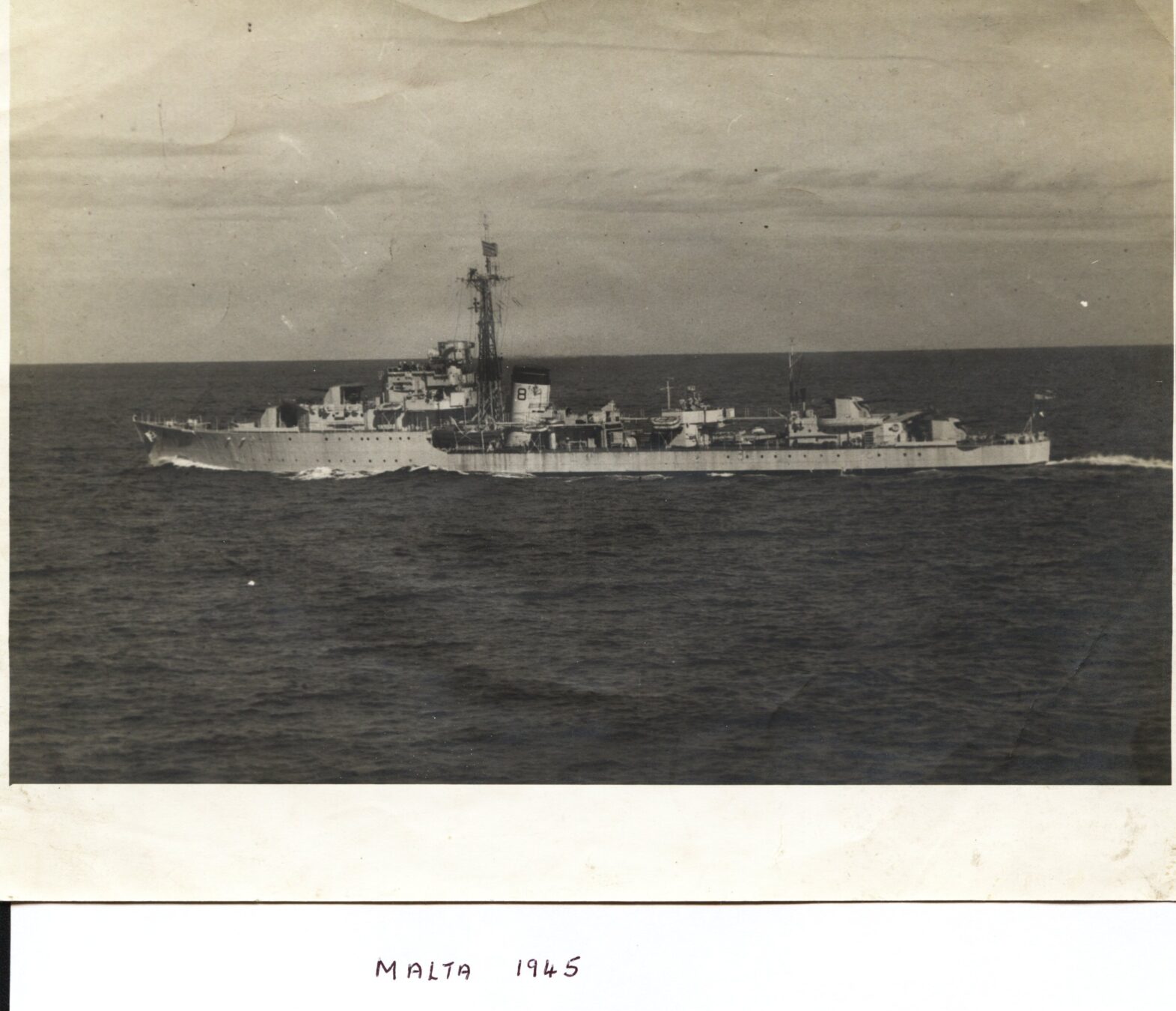
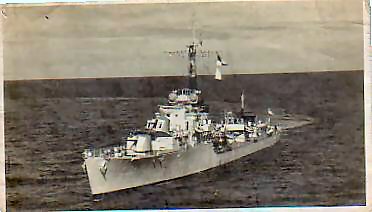
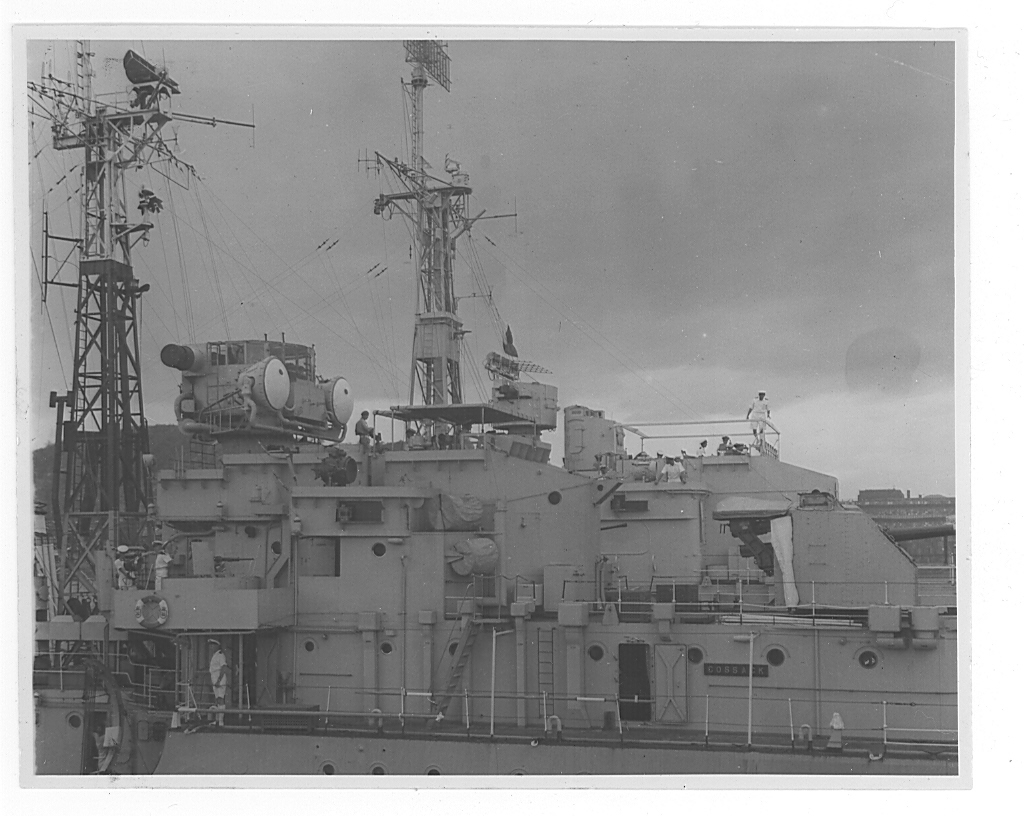
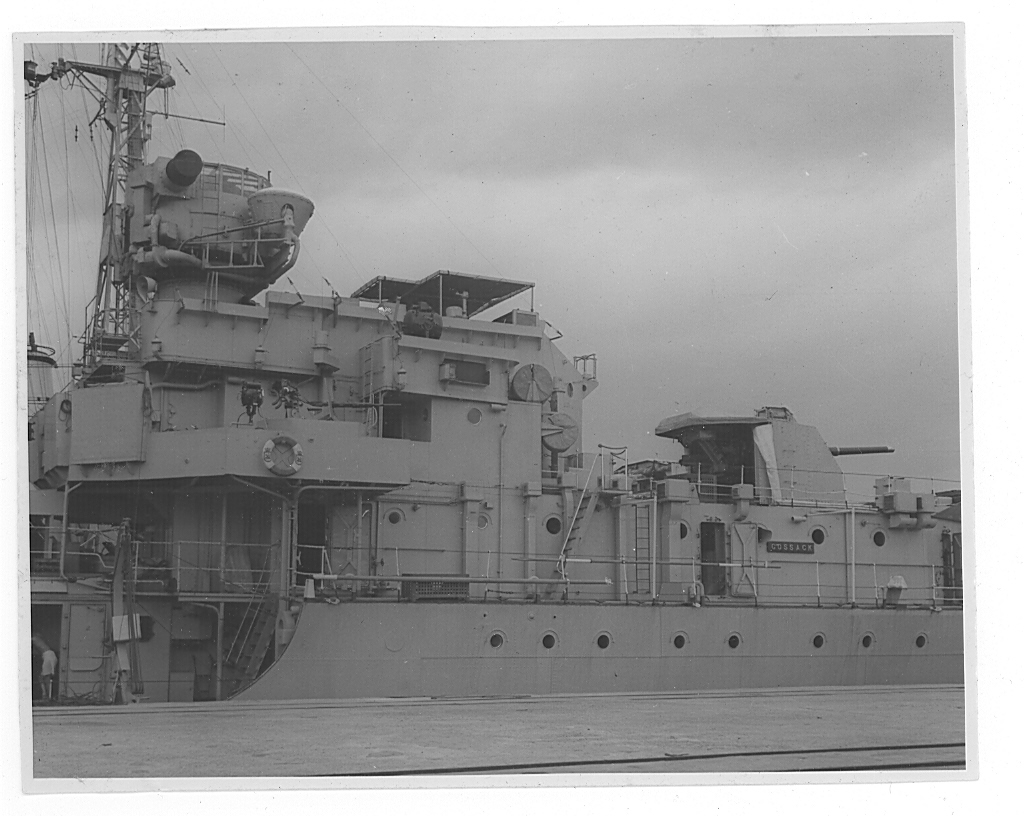
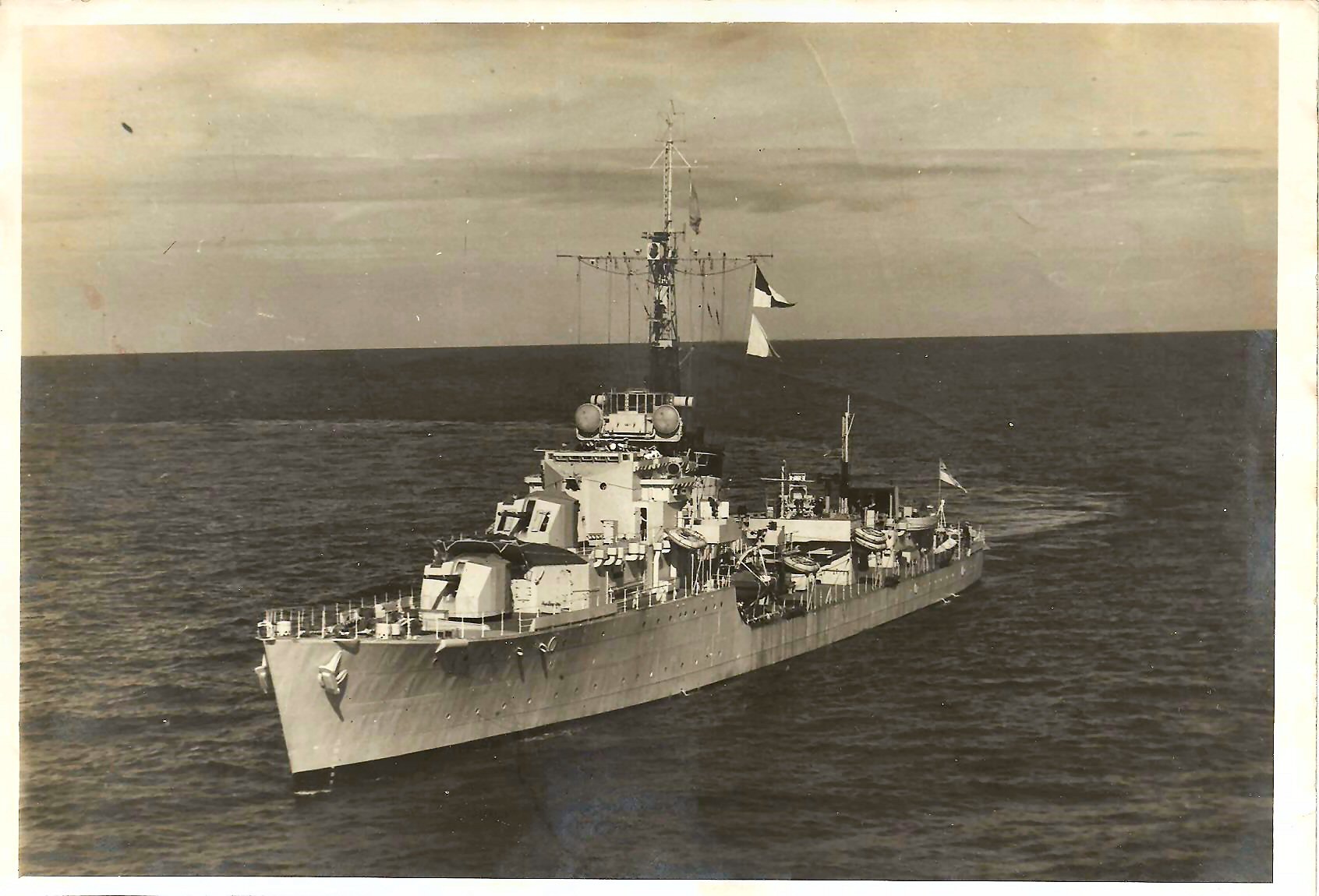
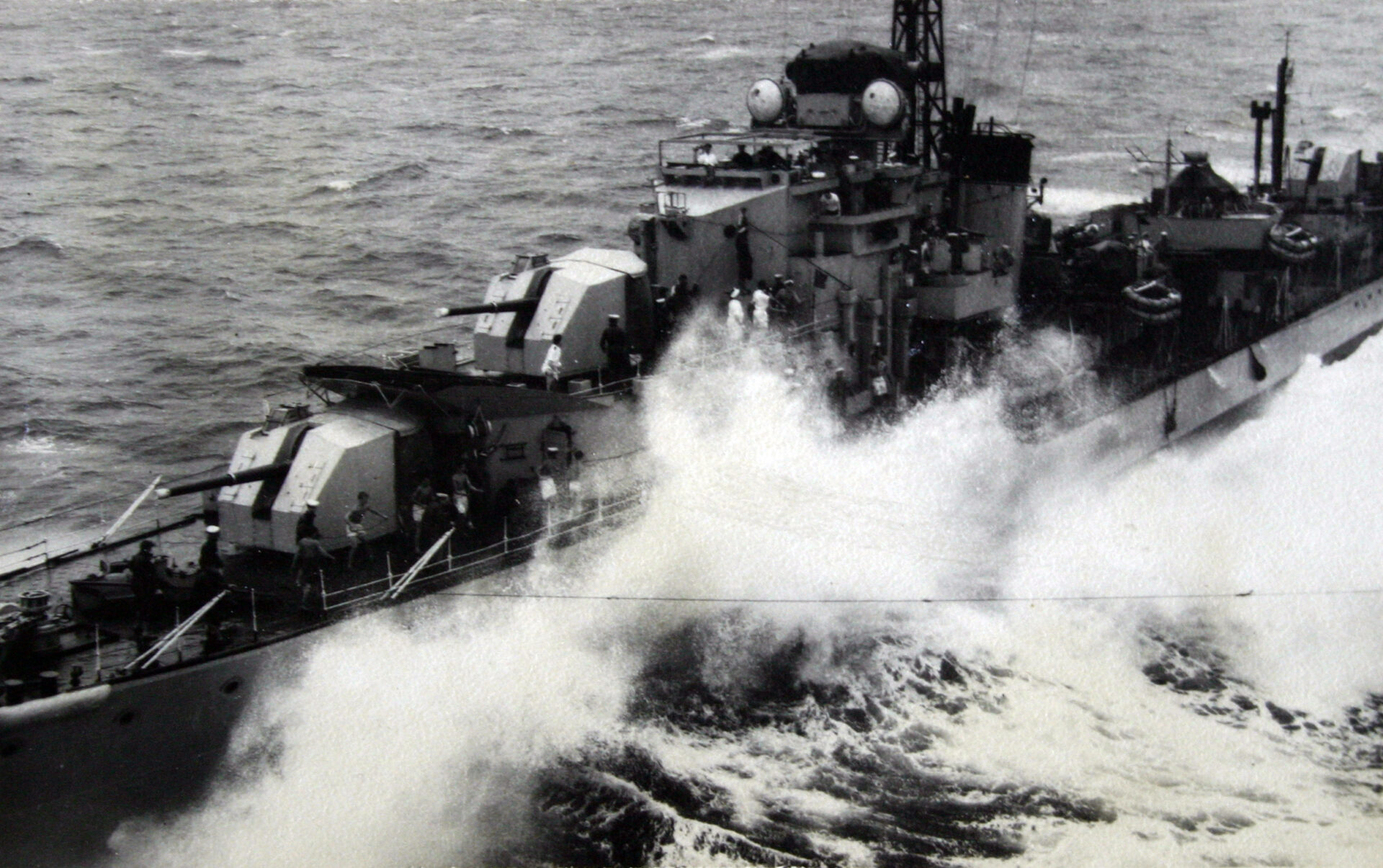
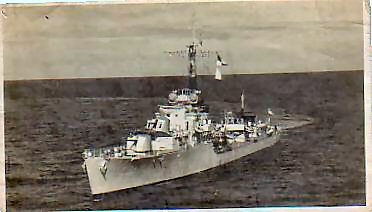
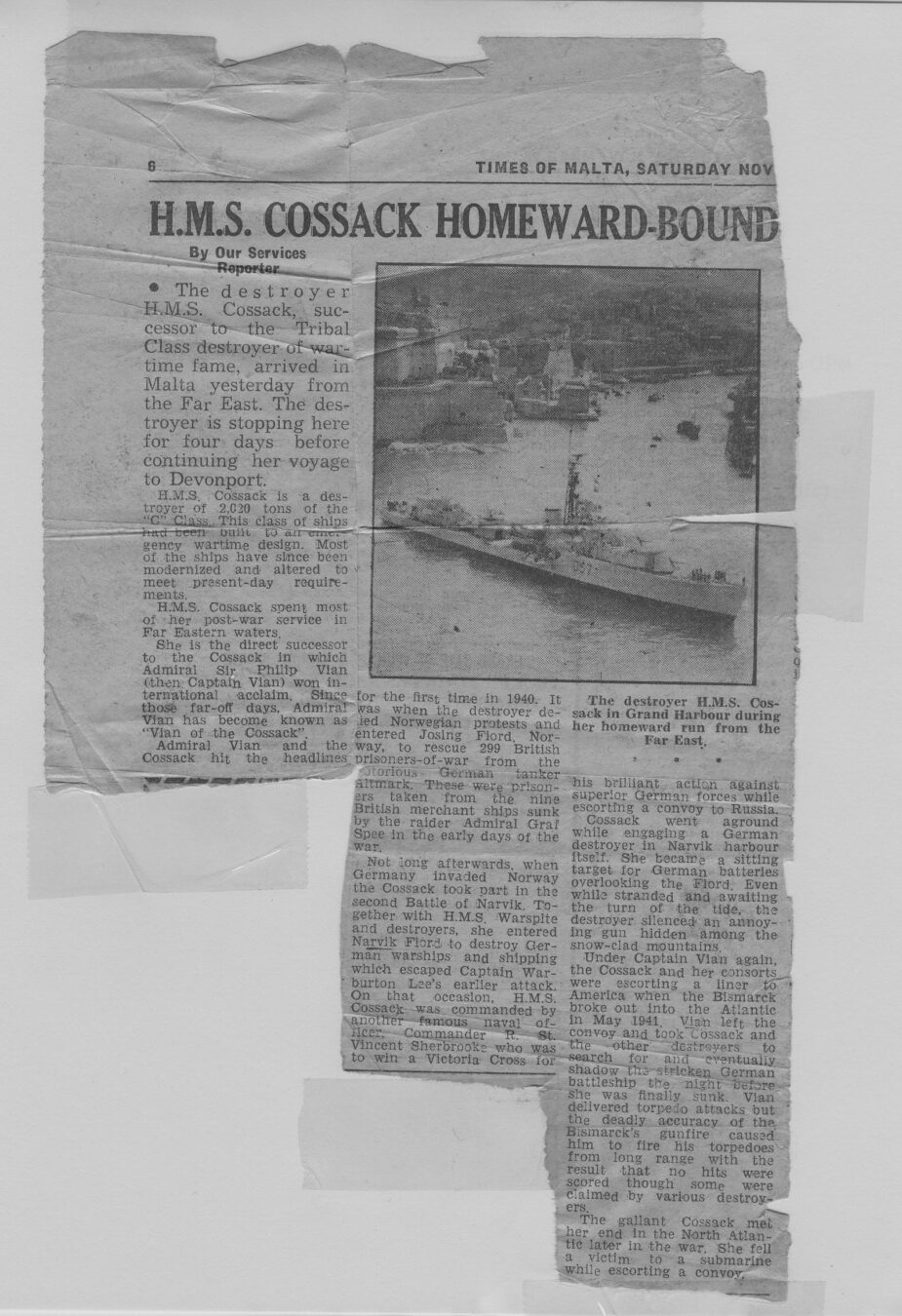
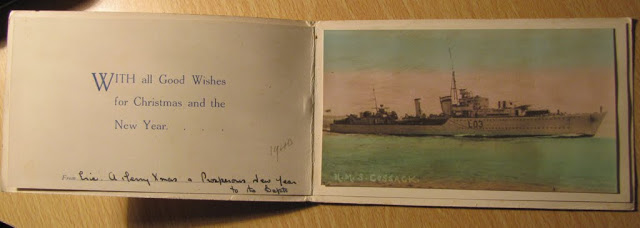
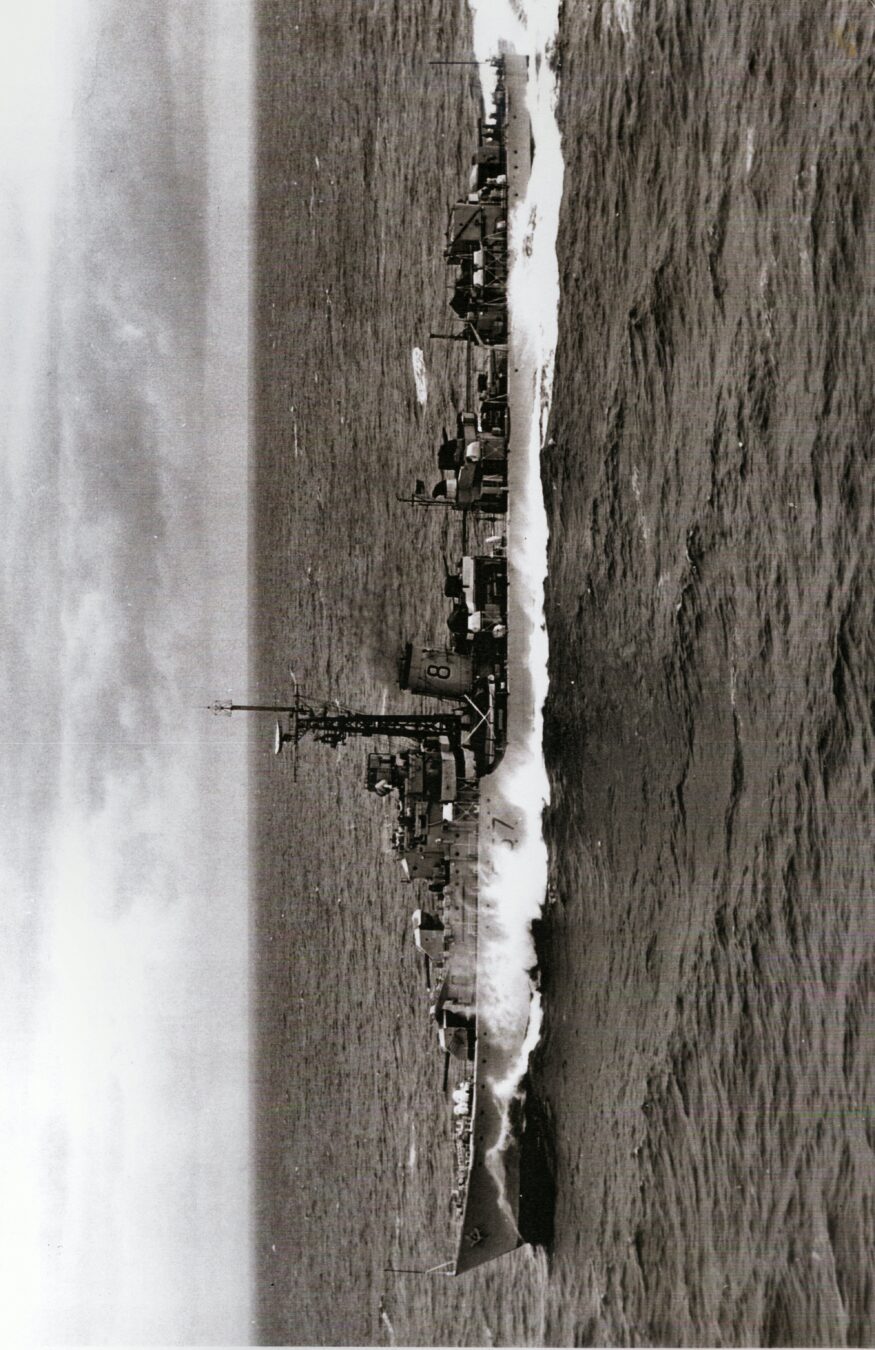
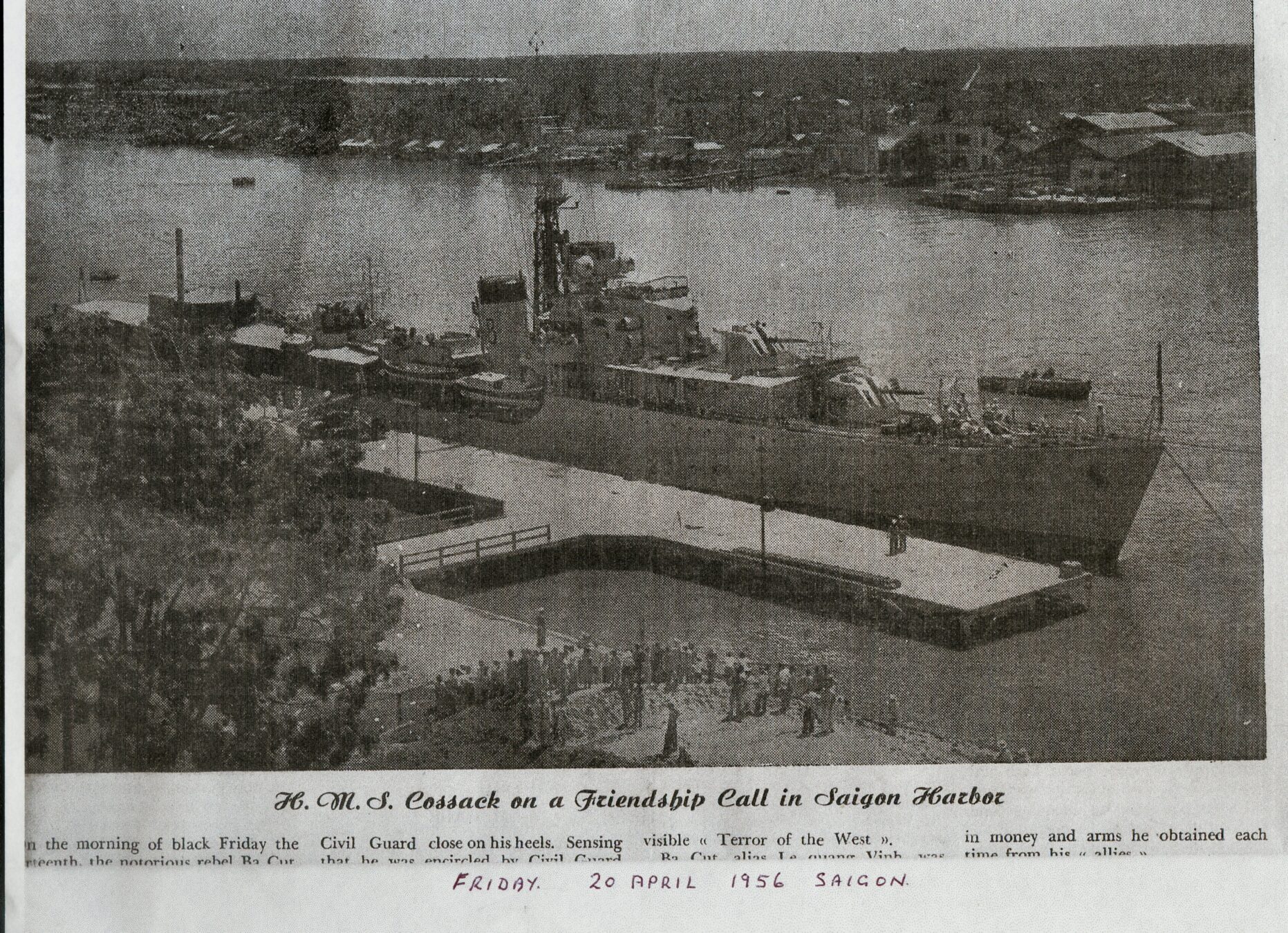
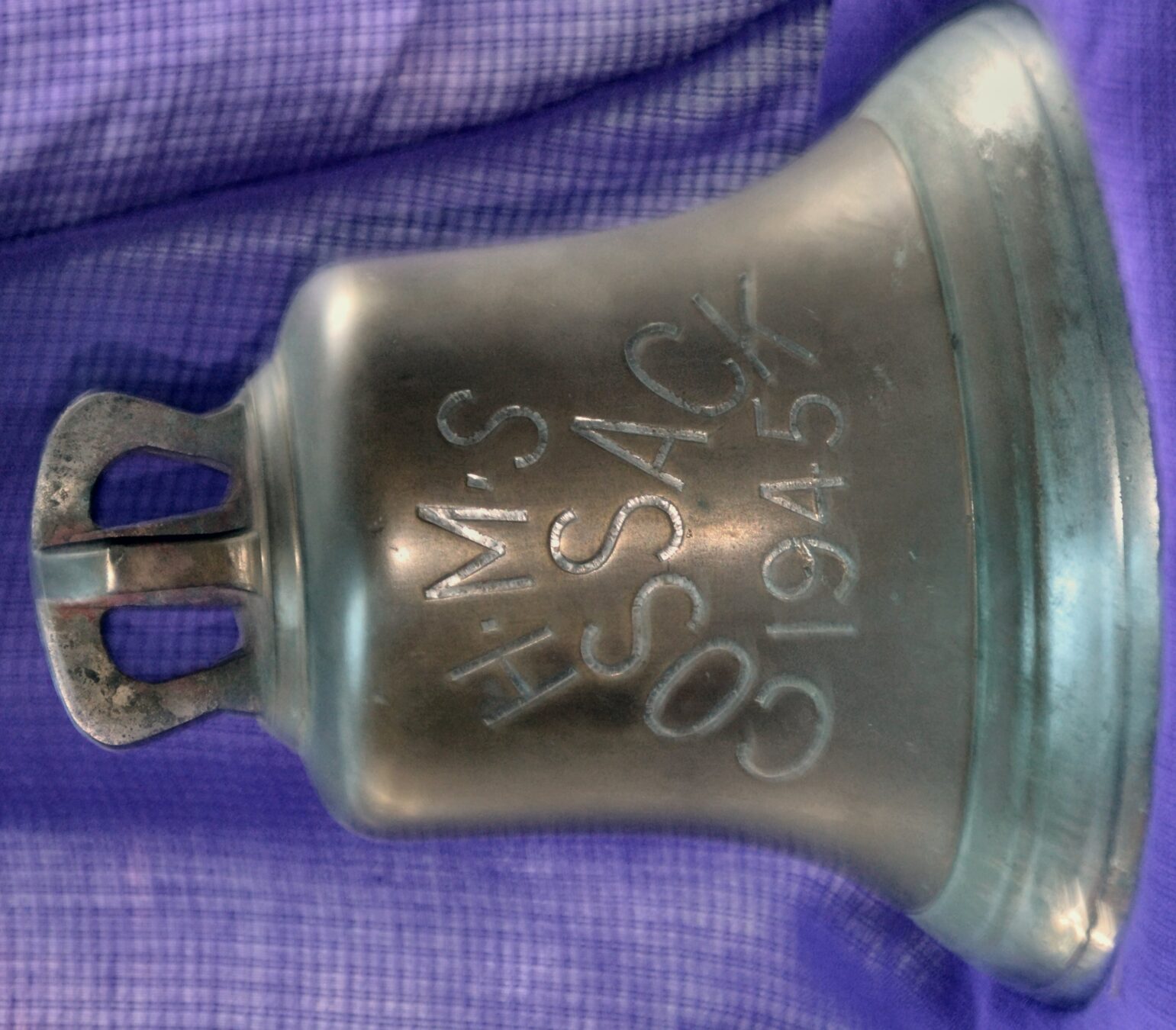
During Warship Week in February 1942, Esher raised £1,192,211, which helped to build a warship, ‘HMS Cossack’. This was done by the public throwing money in to a rubber type float in a pool. (There was sufficient money left over to buy a submarine as well)
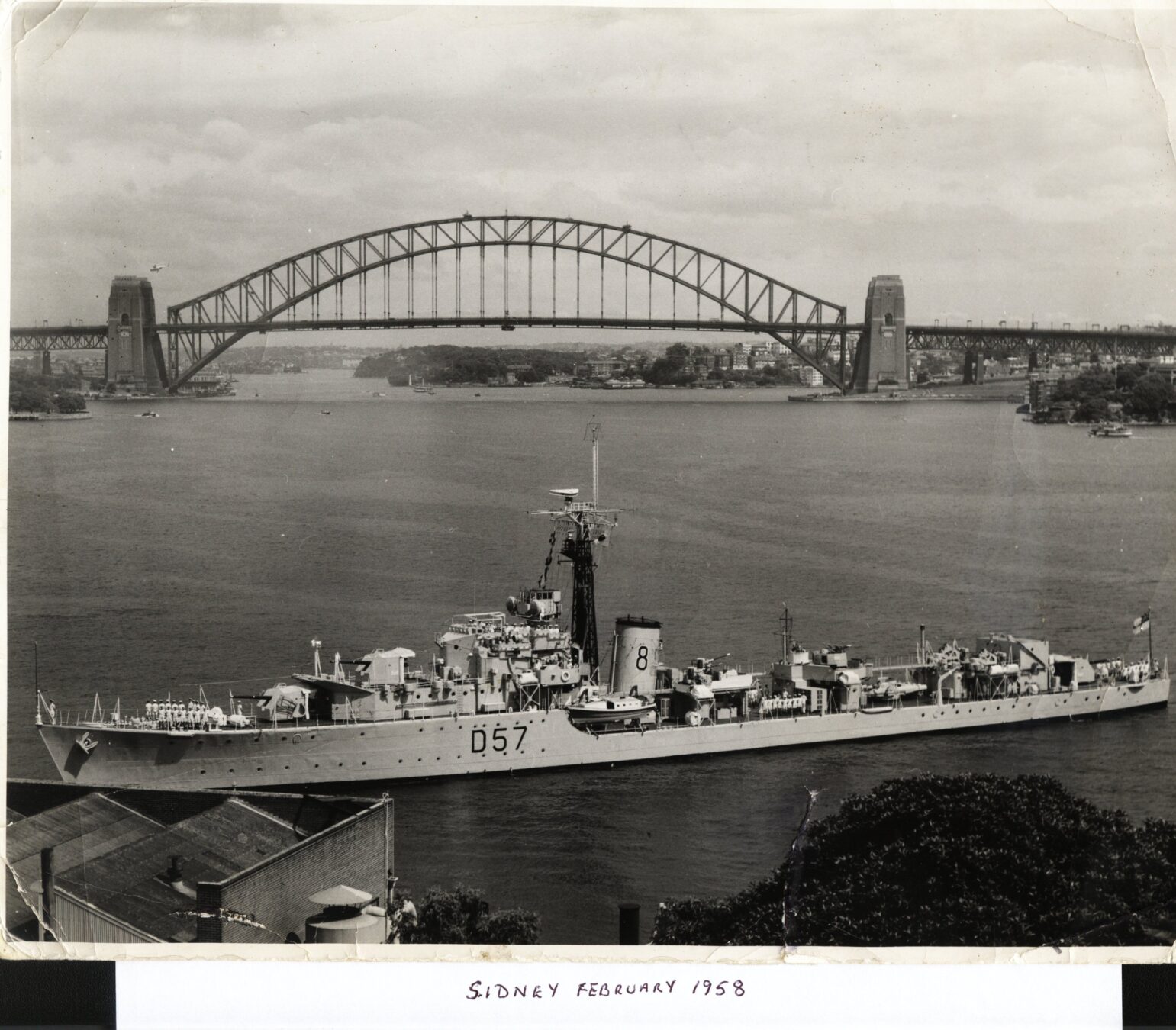
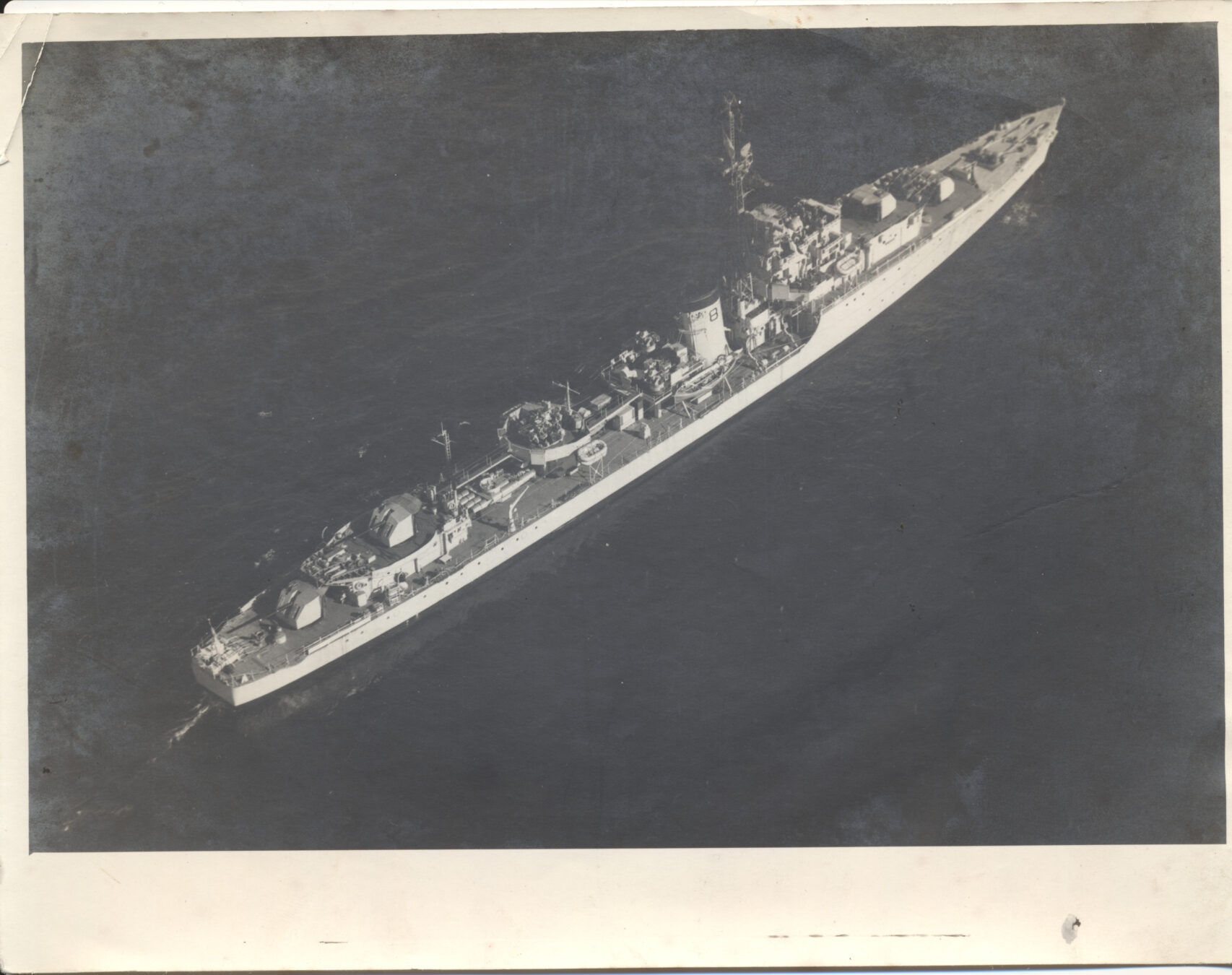
Laid down by Messrs Vickers Armstrong in High Walker Yard at Newcastle on Tyne on 18 March 1943. (Yard no. 63)
Battle Honours
Baltic 1855
Witu 1890
Dover Patrol 1914-1919`
Narvik 1940
Norway 1940`
Atlantic 1940-1941`
Bismarck Action 1941
Malta Convoys 1941
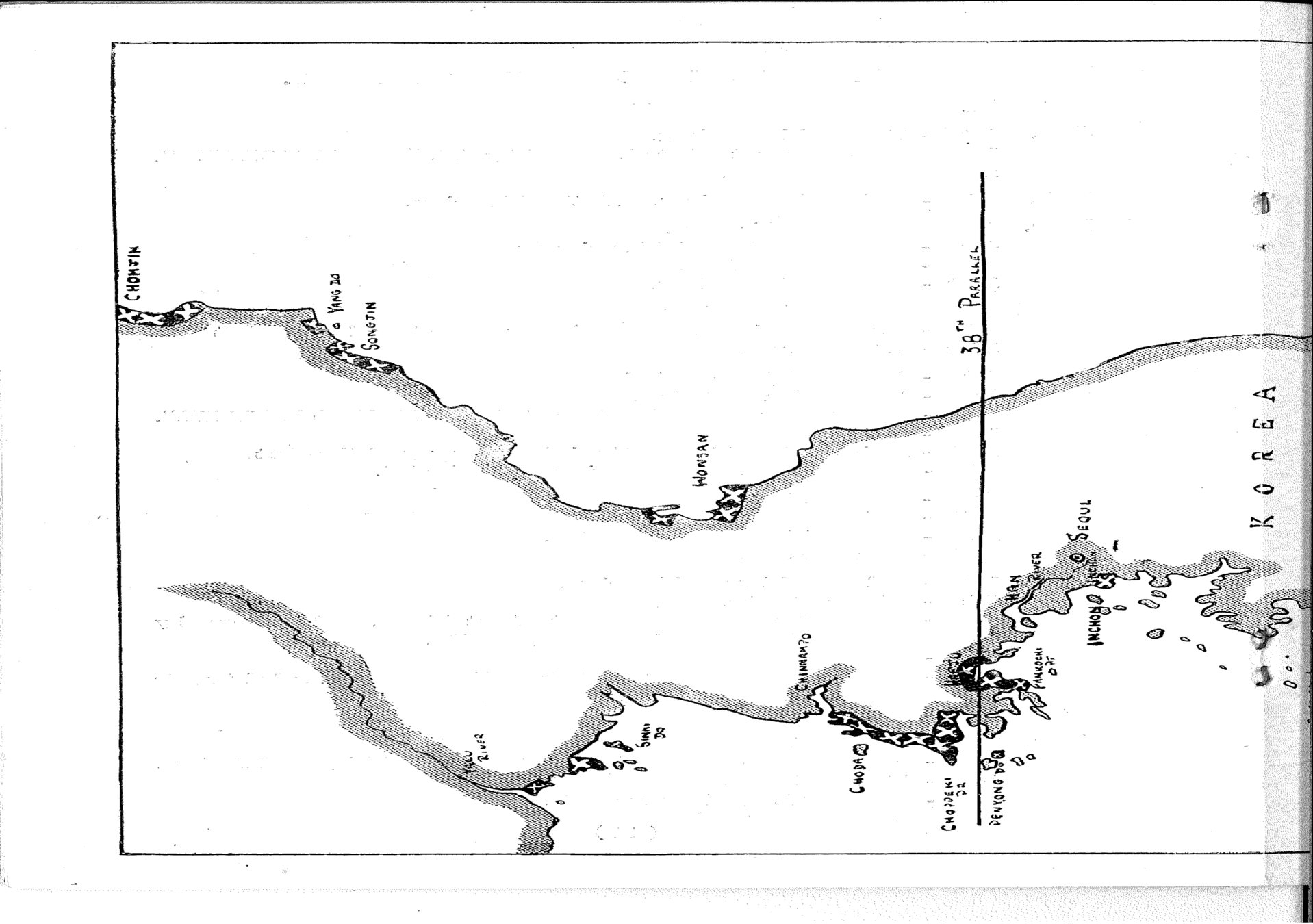
Korea
Launched 10th May 1944
Completed 4 September 1945
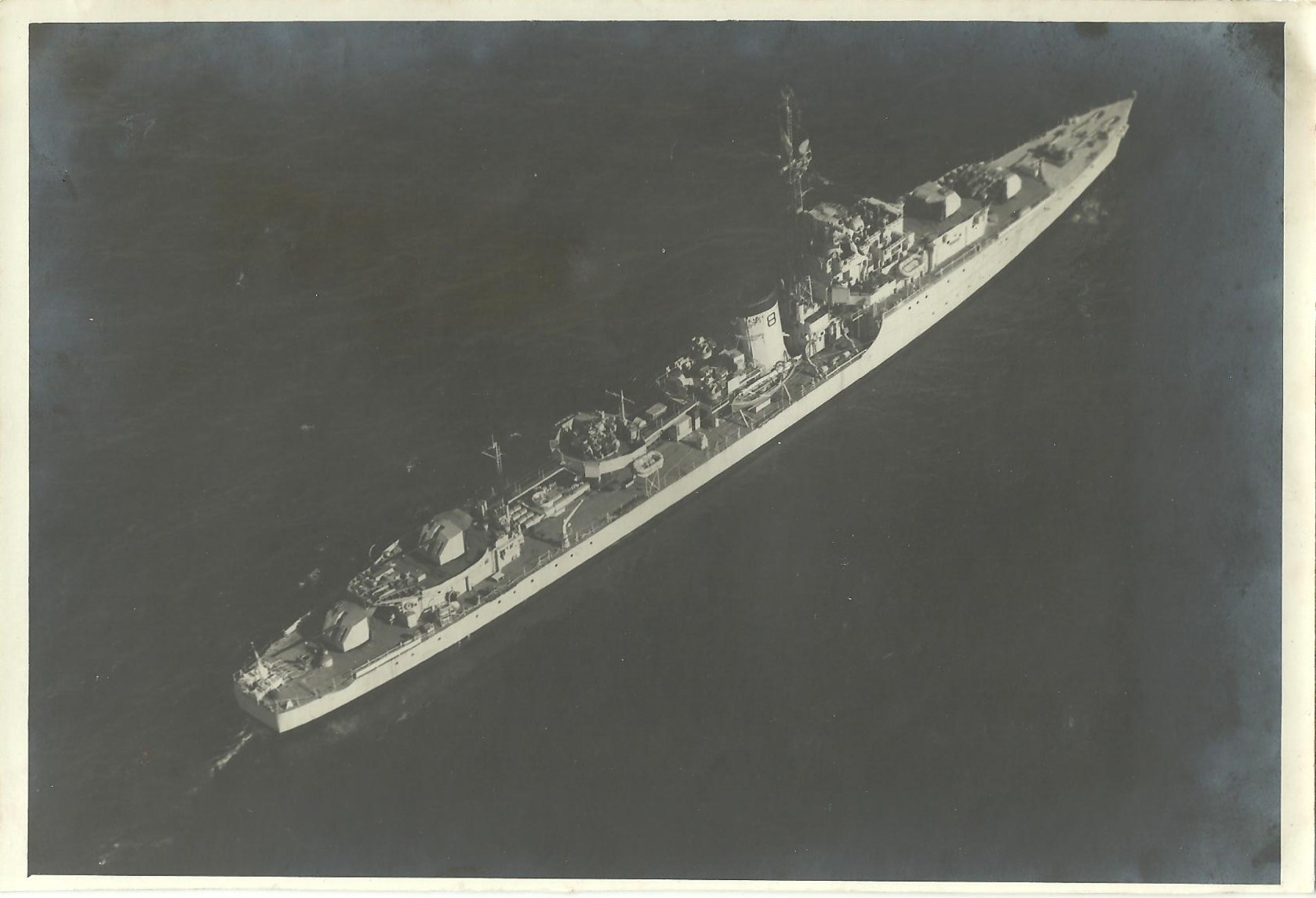
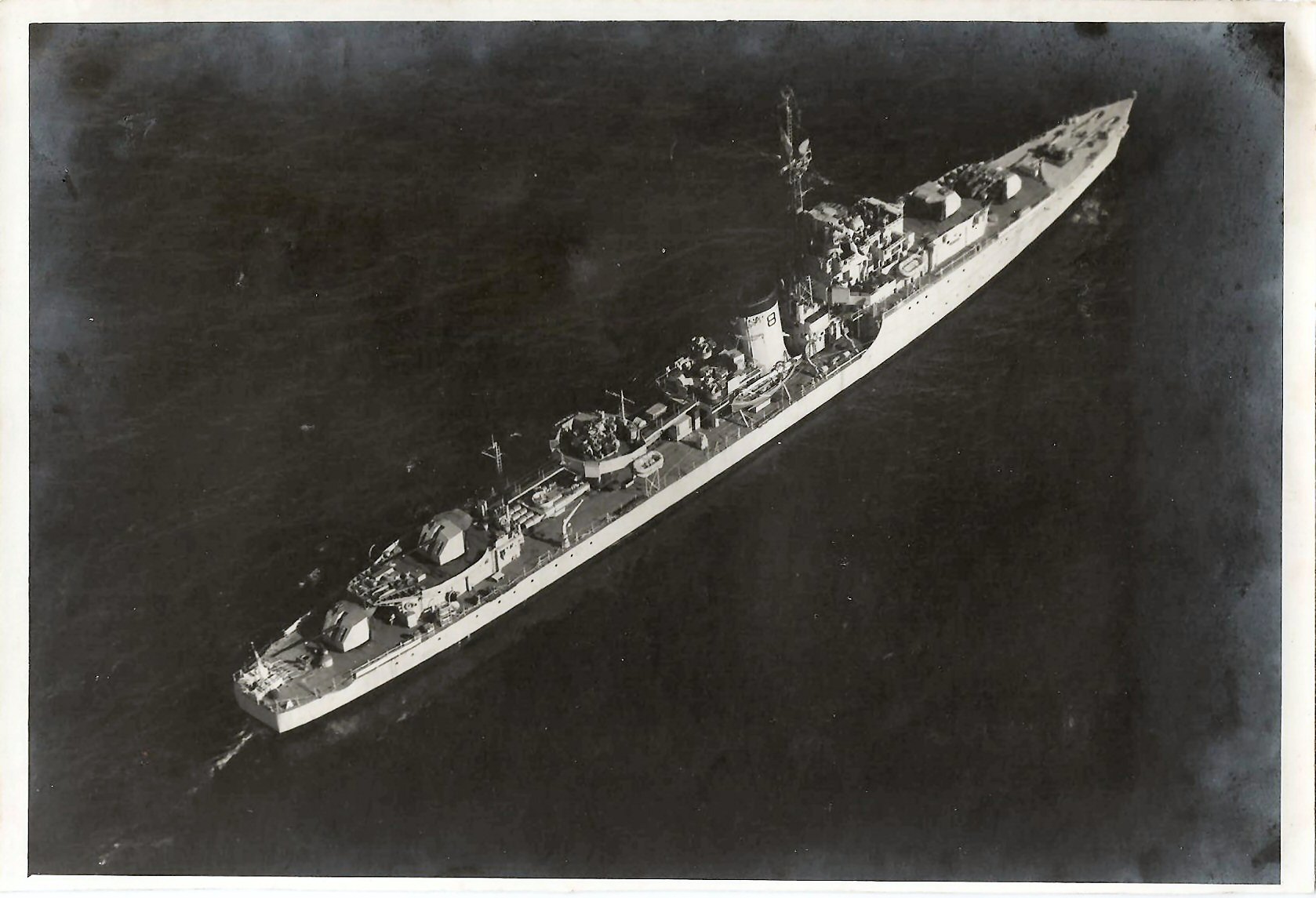
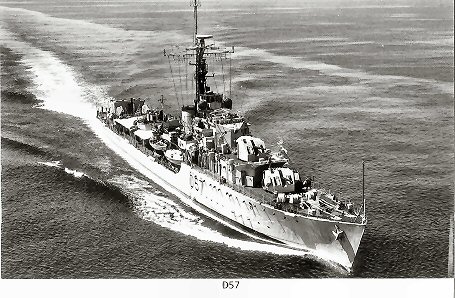
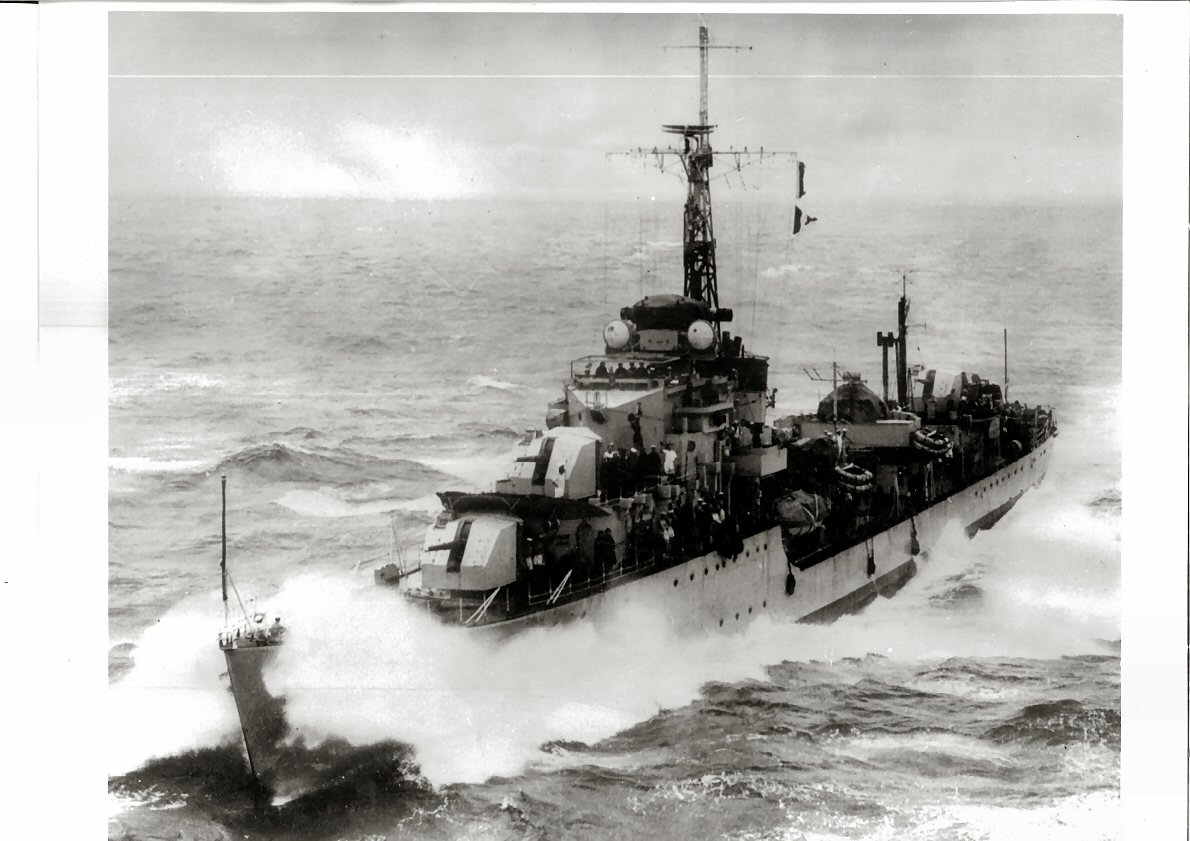
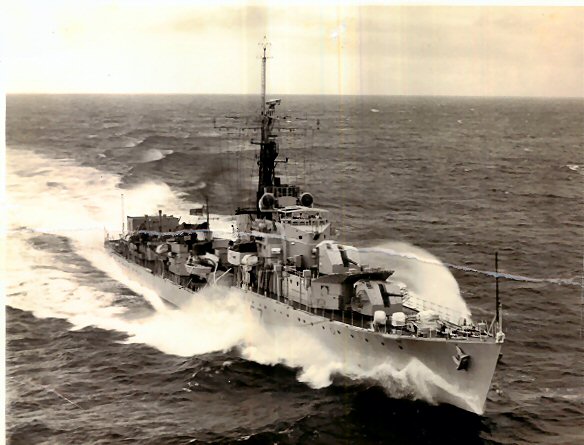
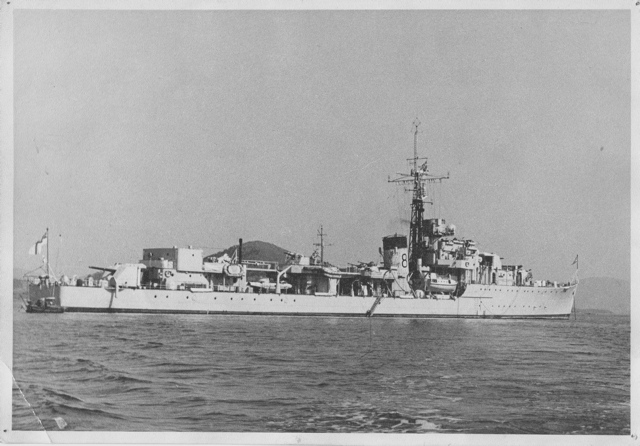
Standard displacement –1730 tons
Fully loaded seagoing displacement – 2550 tons
Length 362 ft 9 inches
Beam 35 ft 8 inches
Draught 15 ft 10 inches
2 x Parsons marine Steam Turbines – S. H. P 40,000 for 33 knots
Armament
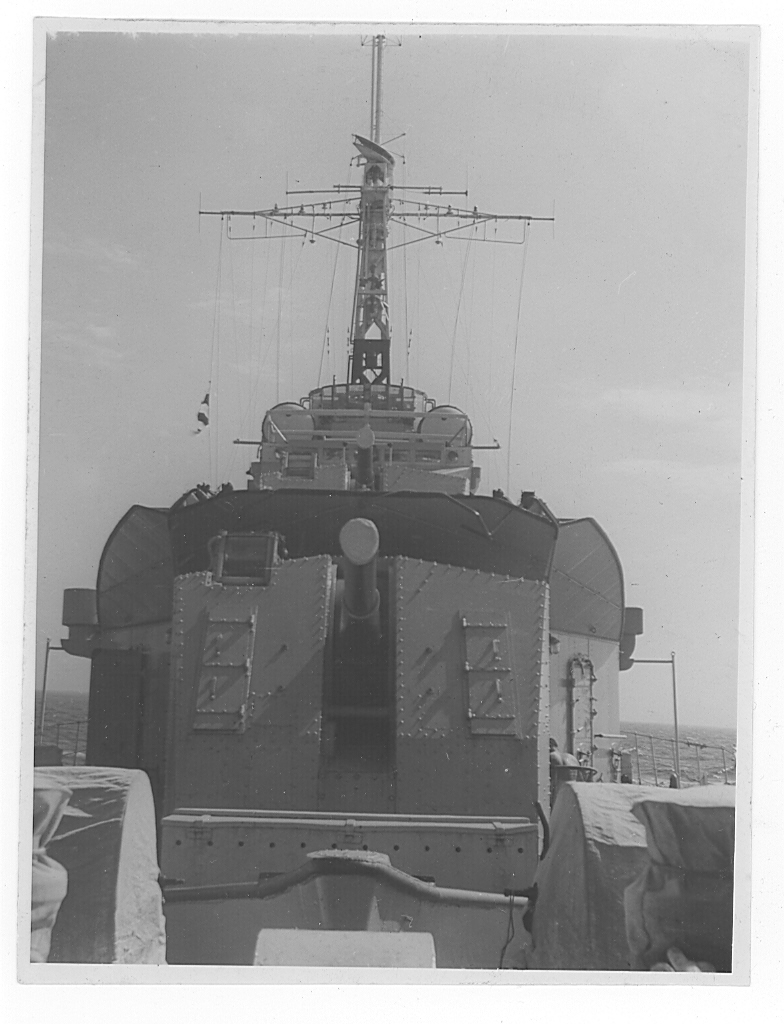
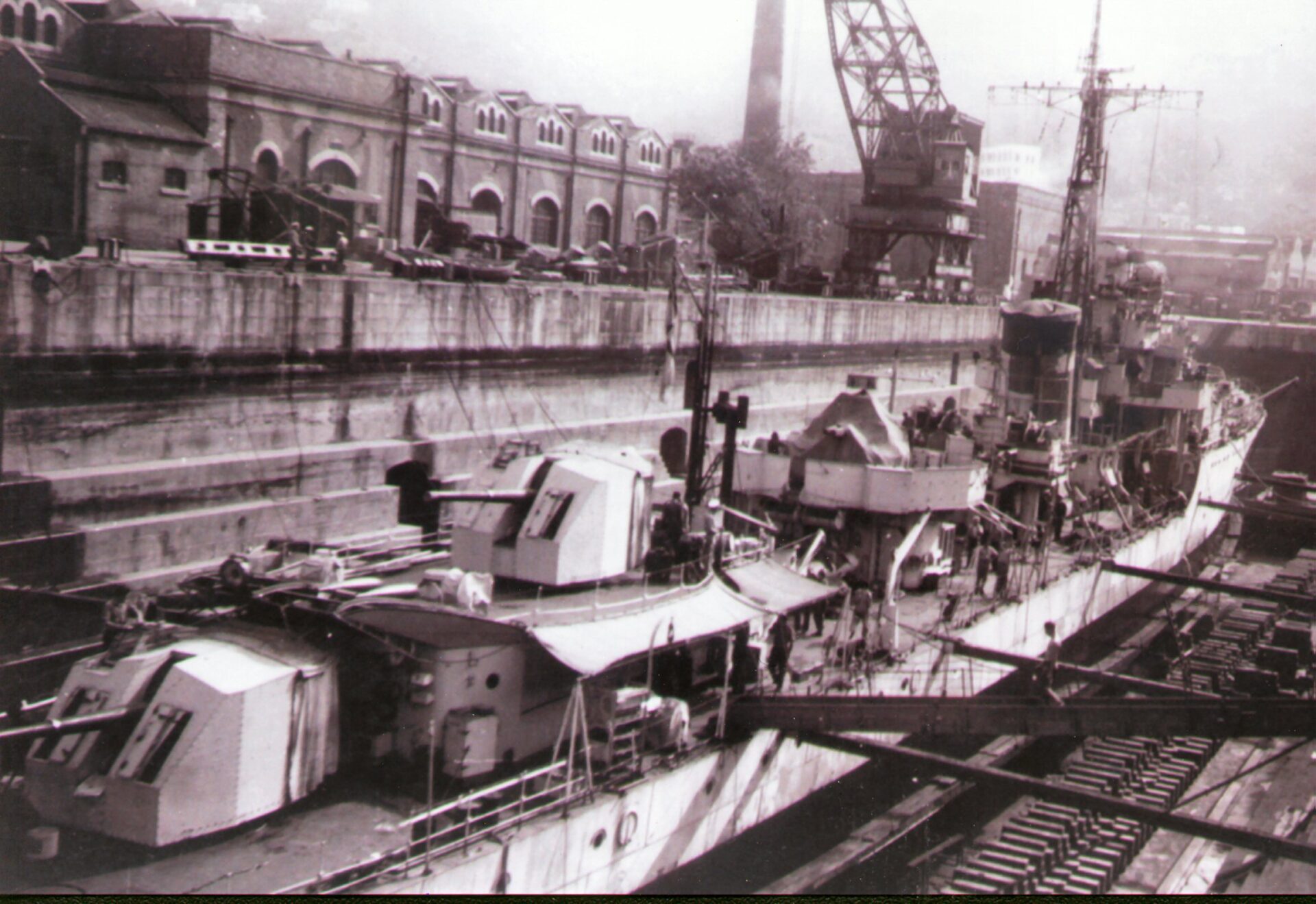
4 x 4.5 guns QF. In 1951 one was removed and replaced by a 40mm Bofors
(Became 7 in 6 mountings)
6 x 40mm Bofors
4 x 21 inch torpedo tubes
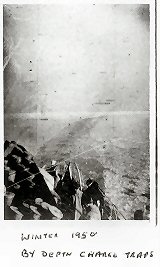
4 x Depth charge throwers
ComplementPeaceWar
Officers 15 15
Ratings 213 248
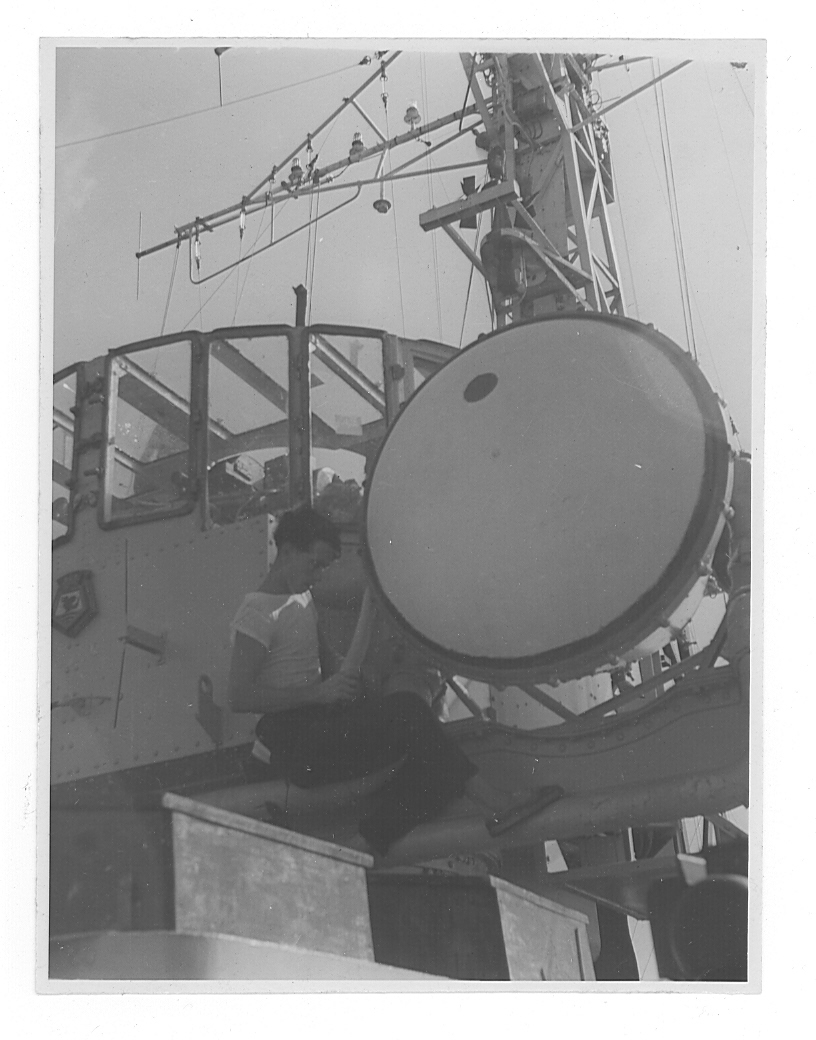
The official Admiralty art for the ship’s badge shows a horseman with a white coat or smock, as would be suitable for a Cossack on the steppes of Russia. It is assumed that this would have been the badge would have been when the ship was commissioned in 1945. However, what is certain is that at some point the colour of the rider’s coat/smock changed from white to red. This would appear to signify the political change in Russia from White Russian to Communist red.
Scuttlebut has it that both of these things occurred later in 1945 when the ship was in the Far East. The war in Europe had ended before COSSACK left the UK. The war with Japan had ended at the beginning of September 1945 and by the time that COSSACK arrived on the Far East Station some demobilisation had begun back in the UK. For many “hostilities only” personnel, both officers and men, this was a sore point. There they were, far from home and, for many, after a long and arduous war, they had to sit it out and wait for reliefs to be organised and trooped out to take their places.
As far as the motto is concerned it is of no great significance. It had no official standing and was probably just a Wardroom jape reflecting the current situation at that time. The change of colour on the ship’s badge would have had to have had some sort of official recognition. The badge in that form appears to have remained in use in COSSACK from 1945 until the ship was finally paid off in 1959.
I later asked some of the officers who had been aboard during that first commission about it. The story I got was that when the ship commissioned the smock was white and remained so until just after the war with Japan ended. Demobilisation had started back in UK and with troops returning from Europe. Those in the Far East were told that there would be some delay until reliefs could be organised and sent out. This caused some unrest and a group of junior officers decided to make a protest. During one night alongside the ship’s badge was repainted, red to reflect revolution and the Red Army. The Captain, although he said that they were searching for the culprit, secretly liked the badge in its new colour and no action was taken to revert it to the original colour. As we know, it remained that way until Cossack finally paid off.
Yours aye – Peter Harrison Lt RN.